Get to Know Jesus

A clear introduction to Jesus Christ — His identity, His life, His death, and His resurrection.
With Scripture and history, without noise.


Spotify
Spotify
Apple Podcasts
Apple Podcasts

Who He is.
What He did.
What it means for you.
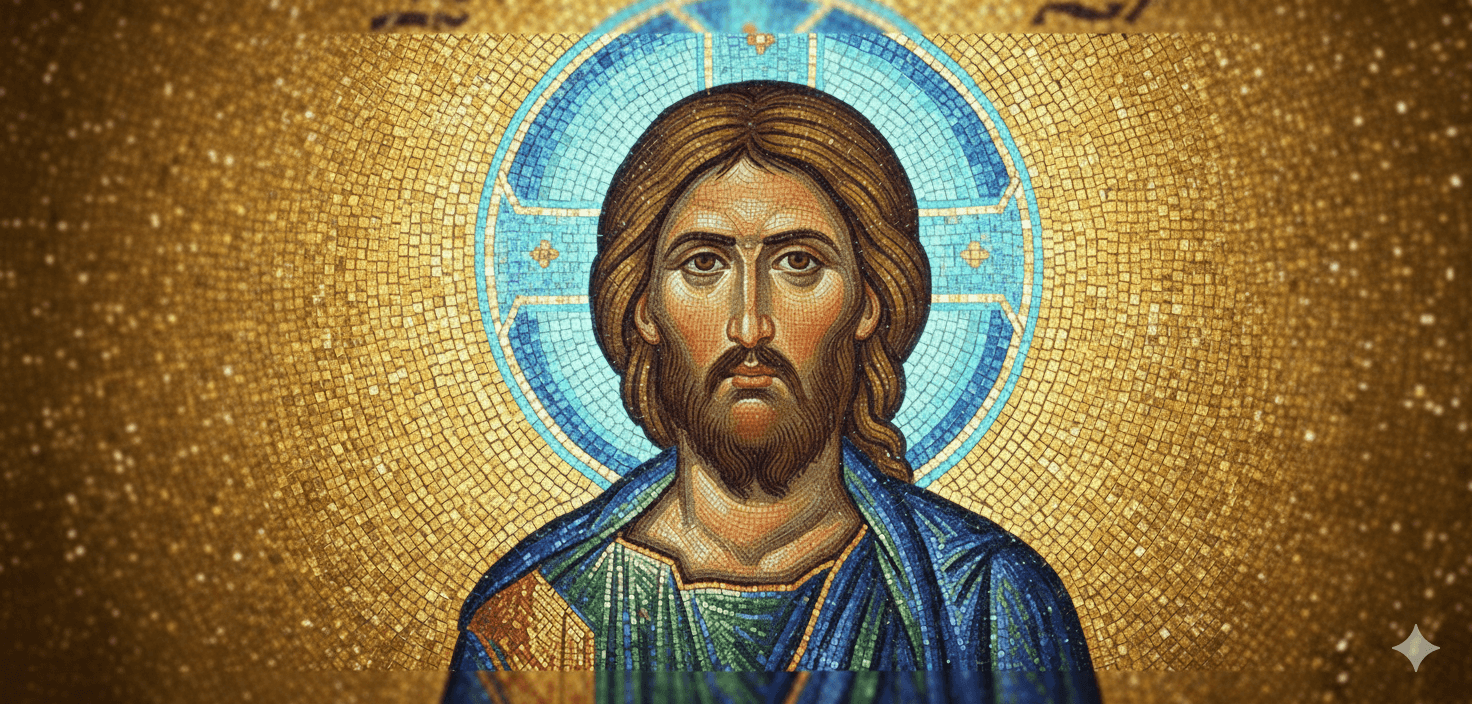
Jesus-christ mosiac image of him with a halo

The Core Claim

Christianity is built on one central claim.

Jesus is the Son of God—God in the flesh.

He is not only a moral teacher or a religious leader.
He is God who entered human history as a real man, in a real place, at a real time.

Bible Verses Supporting the claim

See all Bible verses that show Jesus is God → /jesus-is-god-verses

New Testament

John 1:14

Colossians 2:9

Hebrews 1:8

John 20:28

Titus 2:13

Philippians 2:6

John 1:14

Titus 2:13

John 20:28

Hebrews 1:8

Colossians 2:9

Philippians 2:6

John 1:14

John 20:28

Colossians 2:9

Titus 2:13

Hebrews 1:8

Philippians 2:6

Old Testament

Isaiah 9:6

Micah 5:2

Jeremiah 23:5–6

Isaiah 7:14

Daniel 7:13–14

Psalm 45:6–7

Isaiah 9:6

Daniel 7:13–14

Isaiah 7:14

Jeremiah 23:5–6

Micah 5:2

Psalm 45:6–7

Isaiah 9:6

Isaiah 7:14

Micah 5:2

Daniel 7:13–14

Jeremiah 23:5–6

Psalm 45:6–7

Meet Jesus

Jesus didn’t come to build a religious fanbase. He came to meet real people where they actually were: tired, stuck, ashamed, overlooked.

If you want to know what He’s like, start with His own invitations and actions:

  • He welcomed outsiders — and went looking for the “lost.”

Luke 19:10

Luke 15:1–2

Matthew 23:27

  • He challenged hypocrisy — especially when it crushed people instead of helping them.

Matthew 23:4

Mark 7:6

Matthew 23:4

  • He offered rest — to the heavy-laden and anxious.

Matthew 11:28-29

What did Jesus come to do

Restore you to God.
Carry your sin.
Defeat death.

Christians believe Jesus came to reconcile people to God — not through self-improvement, but through the cross and resurrection.
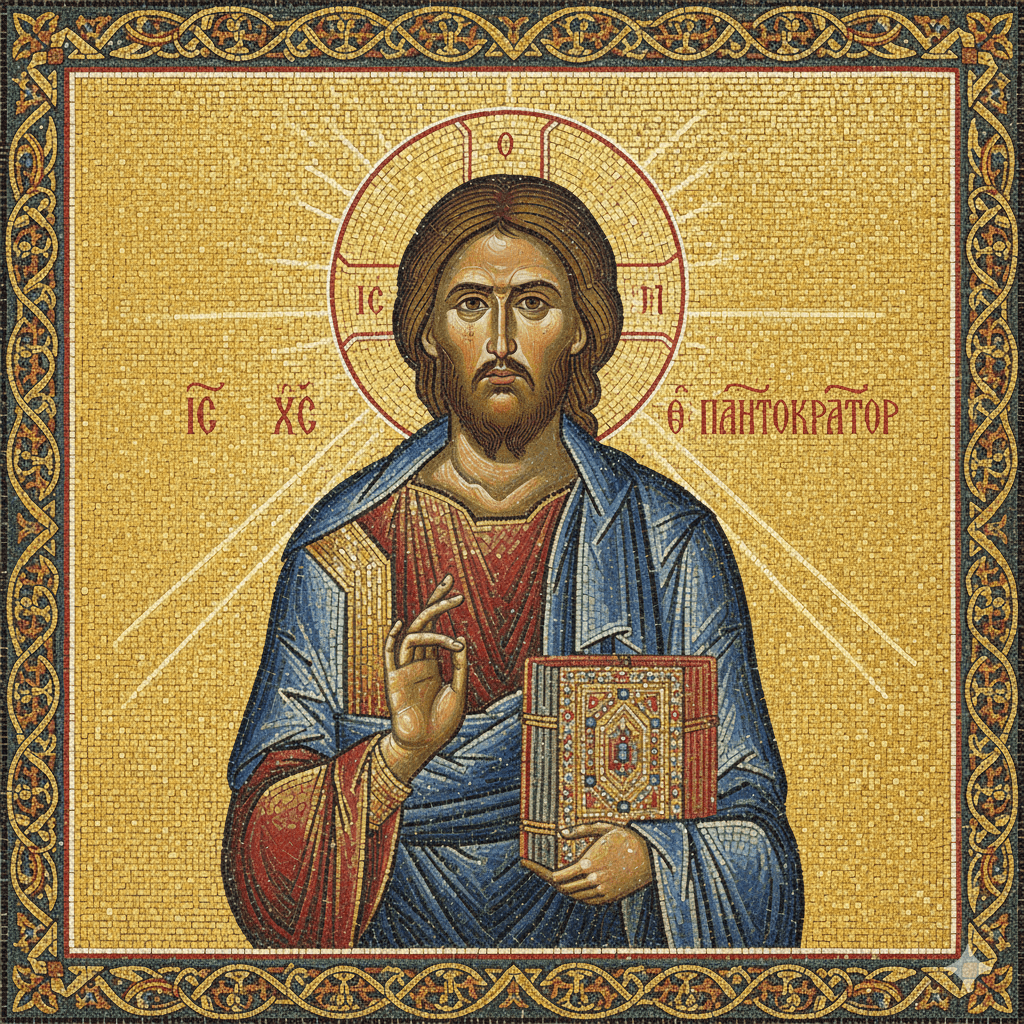
Illustration of a hand holding a smartphone with social icons, representing sharing the message of Jesus through digital content.

What Jesus came to do

Restore you to God.
Forgive you completely.
Give you new life.

The Cross

The cross is the centre of Christianity because Christians believe Jesus was executed by crucifixion in Jerusalem, and that His death was not an accident—it was the plan.

Christians believe He died to deal with sin and bring people back to God.
And the New Testament claims this was foretold long before it happened.

What Happened

  • Jesus was crucified in Jerusalem.

Luke 23:33

  • It happened under Roman authority.

Luke 23:24

  • He truly died.

John 19:34

  • He was buried in a tomb.

Luke 23:53

Fulfilled Scripture

  • He was wounded for our transgressions.

Isaiah 53:5

  • They pierced my hands and my feet… they part my garments among them.

Psalm 22:16–18

  • They shall look upon me whom they have pierced.

Zechariah 12:10

Why it maters

The cross is where Christianity says forgiveness becomes real.


Meaning:

  • Sin is dealt with, not ignored.

2 Corinthians 5:21

  • You can be forgiven, not because you earned it, but because Jesus paid the cost

1 Peter 2:24

  • You can come to God honestly—no pretending, no performance.

Hebrews 4:16

Deeper: Why the Cross Matters → /why-the-cross
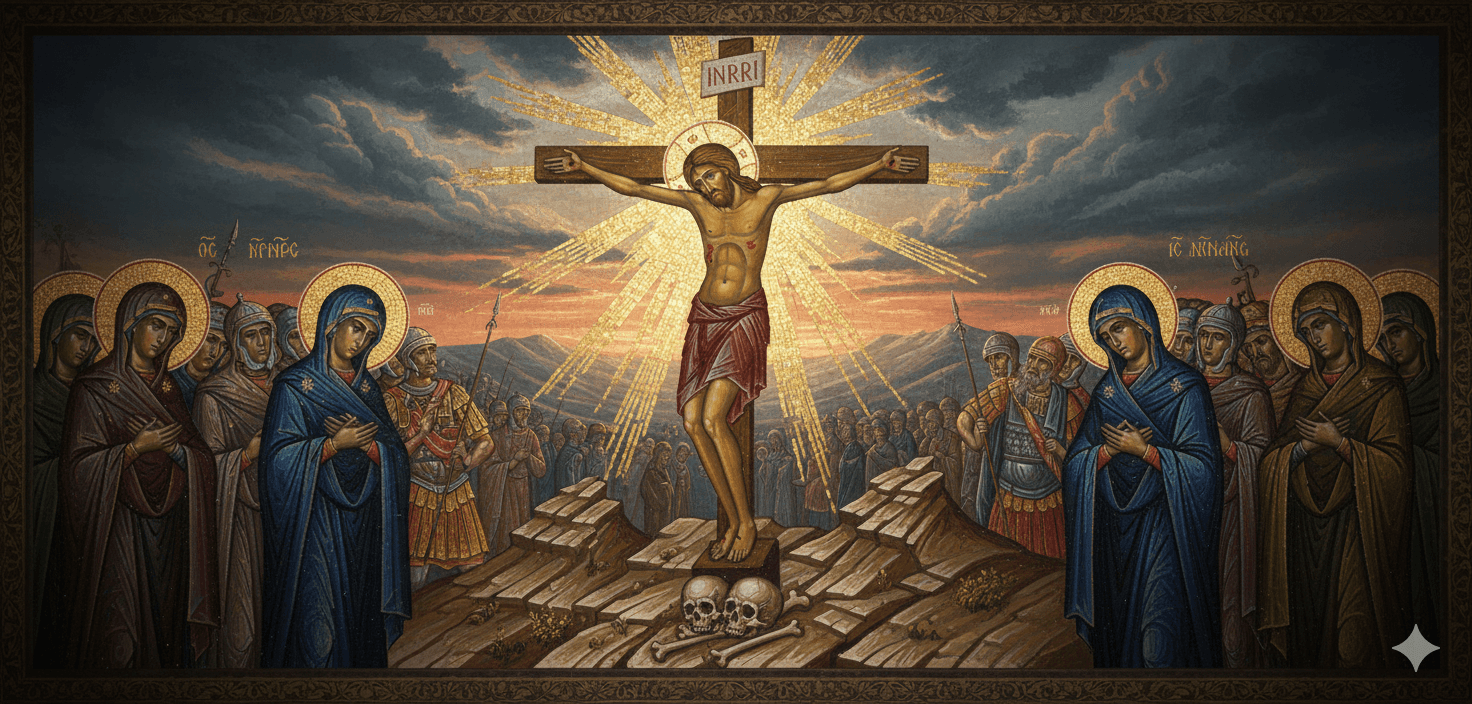
Illustration of a hand holding a smartphone with social icons, representing sharing the message of Jesus through digital content.

The Resurrection

Christians believe Jesus rose from the dead on the third day after His burial.


This is the foundation of the Christian message—because if Jesus rose, He is who He claimed to be. And the earliest witnesses said they saw Him alive and preached it publicly from the start.

What Happened

  • On the third day, the tomb was found empty.

Luke 24:6

  • The apostles preached the resurrection publicly in Jerusalem.

Acts 2:32

  • The earliest Christian summary was simple: died, buried, raised.

Acts 4:33

The early witness

The New Testament claims Jesus was seen alive by many witnesses—not once, but repeatedly.

  • He appeared to individuals and to groups.

1 Corinthians 15:5–6

  • The resurrection was preached as historical fact.

Acts 10:40–41

  • The resurrection was treated as the foundation, not a side detail.

Romans 1:4

Fulfilled Scripture

The Old Testament doesn’t only speak about suffering—it also speaks about God not leaving His Holy One in the grave.

  • The Old Testament points to a Messiah who would not remain in the grave.

Psalm 16:10

  • It speaks of God’s Holy One not seeing corruption.

Hosea 6:2

  • It points to life after suffering—death not having the final word.

Hosea 13:14

Why it matters

The resurrection is the line between “inspiring story” and “living reality.” If Jesus rose, then His claim to be the Son of God is not wishful thinking.

It means death is not final, forgiveness stands, and Jesus is alive—not only remembered.

  • Jesus is declared to be the Son of God with power.

Romans 1:4

  • Death is not the final word.

Revelation 1:18

  • Christianity is not just teaching—Jesus is alive and can be known.

John 14:19

Deeper: Resurrection Evidence → /resurrection-evidence
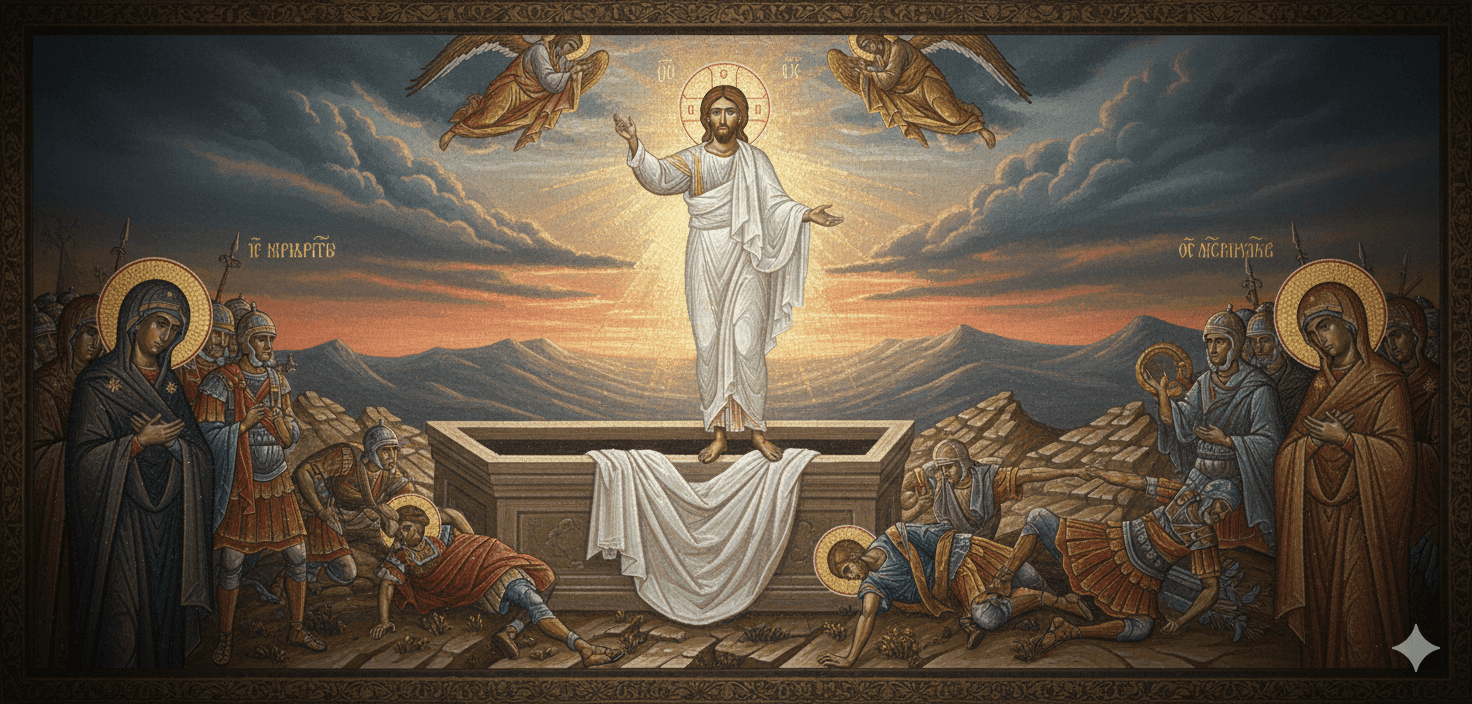
Illustration of a hand holding a smartphone with social icons, representing sharing the message of Jesus through digital content.

How to get to know Jesus

You don’t need to have it all figured out, you just need a first real step.

Read the Gospels - Start with John

Don’t read it like a textbook. Read it to answer three questions:
Who does Jesus say He is?
What does He do with broken people?
What response does He ask for?

Talk to God honestly

Prayer is not performance. It’s honesty.
If you don’t know what to say, start here:

God, if You are real, I want to know You.
Jesus, if You are who You claimed to be, lead me into the truth.
Forgive me. Change me. Teach me how to follow You.


Link: Talk to God now (2 minutes) → /talk-to-god

If you need evidence first

That’s not rebellion. Some people need clarity before they commit.
Start with the public facts and the earliest claims—then decide what they mean.

Link
Jesus in history (timeline + sources) → /jesus-in-history
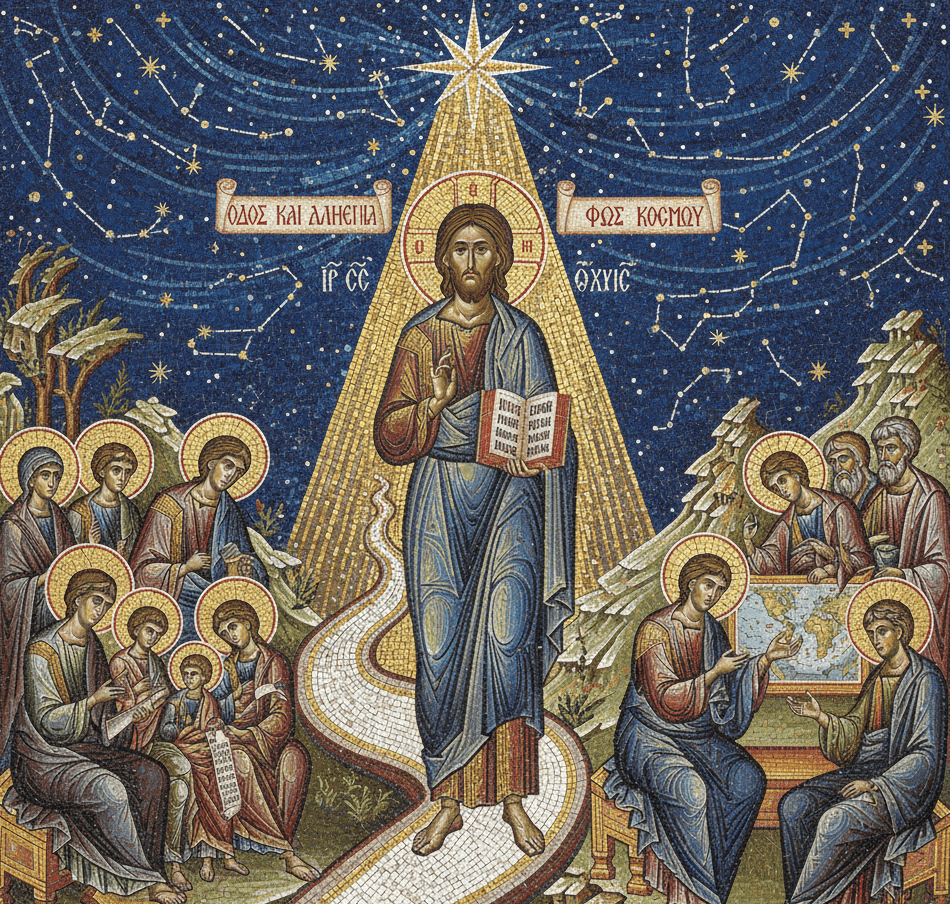
Illustration of a hand holding a smartphone with social icons, representing sharing the message of Jesus through digital content.

Questions people ask

Do I have to be “religious” to know Jesus?

No. Christianity doesn’t start with “join a club” or “clean up your image.” It starts with a person—Jesus—calling people to trust Him. In the Gospels, He isn’t drawn to the polished; He’s drawn to the honest. If you can be honest about your need, you’re already closer than you think.

What that looks like in real life is simple:
You come to Jesus as you are, and you let Him change you from the inside out—over time.

John 6:37 • John 1:12 • Mark 2:17
Next step: Talk to God honestly → /talk-to-god

Do I need to clean myself up first?

Is Jesus real historically, or is this just faith?

Why does God allow suffering?

Is Christianity just “be a good person”?

Do I have to be “religious” to know Jesus?

No. Christianity doesn’t start with “join a club” or “clean up your image.” It starts with a person—Jesus—calling people to trust Him. In the Gospels, He isn’t drawn to the polished; He’s drawn to the honest. If you can be honest about your need, you’re already closer than you think.

What that looks like in real life is simple:
You come to Jesus as you are, and you let Him change you from the inside out—over time.

John 6:37 • John 1:12 • Mark 2:17
Next step: Talk to God honestly → /talk-to-god

Do I need to clean myself up first?

Is Jesus real historically, or is this just faith?

Why does God allow suffering?

Is Christianity just “be a good person”?

Do I have to be “religious” to know Jesus?

No. Christianity doesn’t start with “join a club” or “clean up your image.” It starts with a person—Jesus—calling people to trust Him. In the Gospels, He isn’t drawn to the polished; He’s drawn to the honest. If you can be honest about your need, you’re already closer than you think.

What that looks like in real life is simple:
You come to Jesus as you are, and you let Him change you from the inside out—over time.

John 6:37 • John 1:12 • Mark 2:17
Next step: Talk to God honestly → /talk-to-god

Do I need to clean myself up first?

Is Jesus real historically, or is this just faith?

Why does God allow suffering?

Is Christianity just “be a good person”?

By Design

Bible Study

Bible Books

Bible Chapters

Top Bible Verses

Resources

Topics

Search Resources

Church History

© 2026 bydesignministries.co.uk

By Design

Bible Study

Bible Books

Bible Chapters

Top Bible Verses

Resources

Topics

Search Resources

Church History

© 2026 bydesignministries.co.uk

By Design

Bible Study

Bible Books

Bible Chapters

Top Bible Verses

Resources

Topics

Search Resources

Church History

© 2026 bydesignministries.co.uk