Question
Who Is Jesus in Christianity?
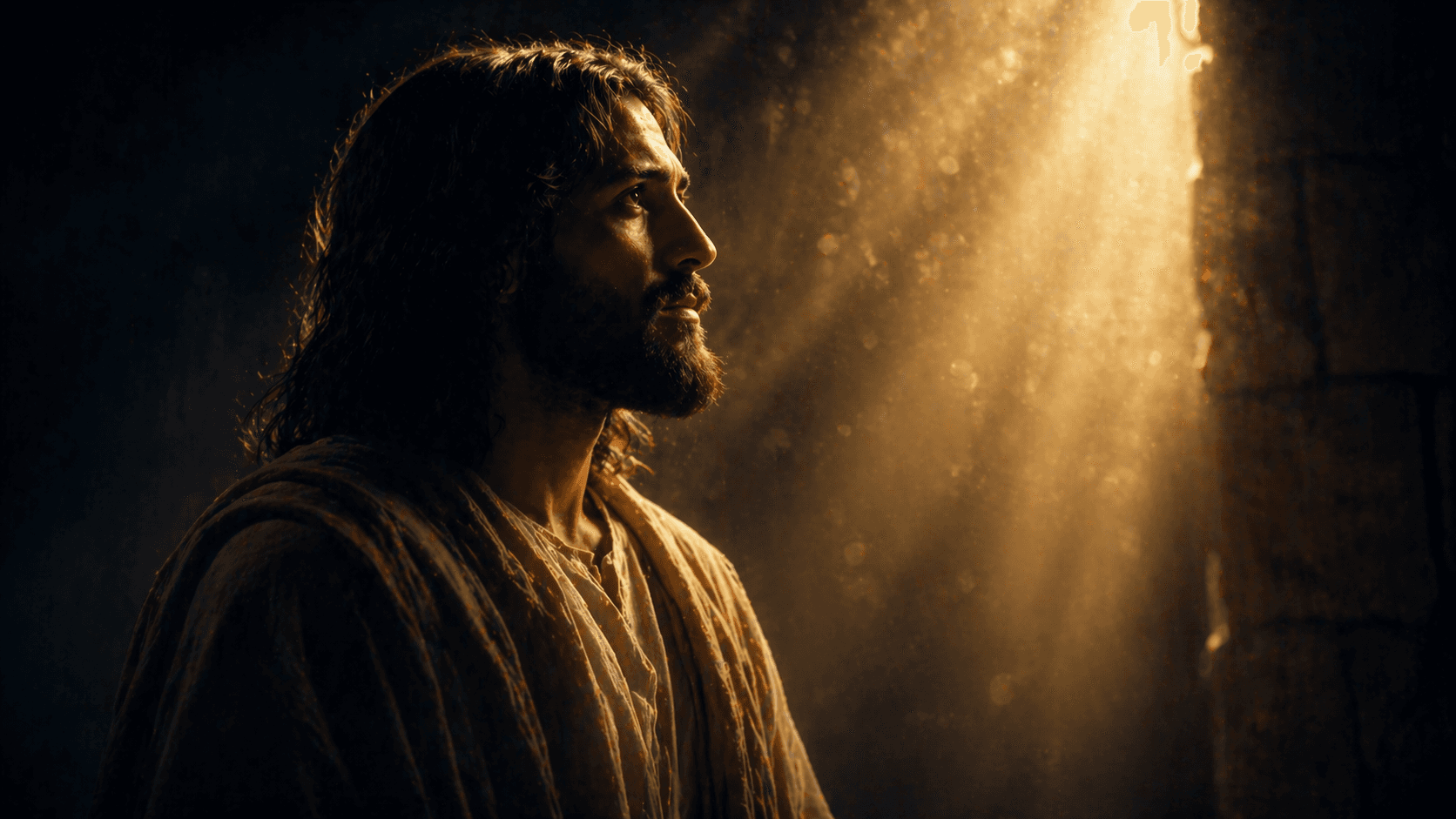
In Christianity, Jesus is fully God and fully man — the eternal Son of God who became a real human being, lived a sinless life, died for sins, rose from the dead, and is Lord of all. He is the promised Messiah and the only Saviour.
Author | Shafraz Jeal
Updated,
29 Apr 2026
Intro
Everything in Christianity hangs on the identity of Jesus. If He is just a prophet, Christianity collapses. If He is God the Son in the flesh, Christianity is the most important claim in the world. The New Testament does not offer a polite middle. It says Jesus is Lord, God, Saviour, and King — and it asks you to decide.
Muslims often meet a gentle, respectful picture of Jesus (Isa) growing up — a great prophet, a miracle worker, a sinless man, born of a virgin. All of that is in the Bible too, and Christians agree with it. The disagreement is not about what Jesus did. It is about who Jesus is.
Christianity says Jesus is the eternal Son of God. Not a son produced by physical means. Not a prophet adopted as a son. Not an angel or a created spirit. He is the Word who was with God and was God (John 1:1), through whom everything was made (Colossians 1:16), who “took the form of a bondservant, and came in the likeness of men” (Philippians 2:7). The Son did not begin at Bethlehem. He stepped into Bethlehem.
He is also fully human. He got hungry, tired, thirsty, and sad. He wept at a friend’s grave (John 11:35). He was tempted yet never sinned (Hebrews 4:15). He had a mother, brothers, and sisters. He grew up in Nazareth, worked as a carpenter, and walked the roads of Galilee. Christians are not saying God pretended to be human. They are saying the Son really became human — fully, permanently, and without ceasing to be God.
He is the promised Messiah (Christ, in Greek). The Old Testament pointed forward to a descendant of David, born in Bethlehem, who would suffer for His people, be rejected, and finally reign (Isaiah 9:6–7, 53; Micah 5:2). Jesus fits all of it, on purpose. He is not a reaction to Judaism. He is its fulfilment.
He is Lord. Paul says, “if you confess with your mouth the Lord Jesus and believe in your heart that God has raised Him from the dead, you will be saved” (Romans 10:9). The earliest Christian confession was three words in Greek: Kyrios Iēsous — Jesus is Lord. That word Kyrios is the Greek translation of YHWH. Calling Jesus Lord was never casual. It was the highest title you could give a human being, and the early Christians gave it to Him because they believed He is God (read Why Do Christians Call Jesus Lord? for the detail).
He is Saviour. Jesus did not come primarily to teach, although He taught. He came to die. He said, “The Son of Man did not come to be served, but to serve, and to give His life a ransom for many” (Mark 10:45). On the cross He bore the sin of His people. Three days later He rose from the dead. He is alive now, seated at the Father’s right hand, praying for His people and ruling until every enemy is under His feet (Hebrews 7:25, 1 Corinthians 15:25).
He is Judge. He will return, visibly, and every person — every Christian, every Muslim, every atheist — will stand before Him (Acts 17:31, Revelation 22:12). That is not a threat; it is a reality the Bible states plainly.
That is who Jesus is in Christianity. Not a prophet we happen to admire. Not a symbol of love. The eternal Son of God, born of the virgin Mary, crucified for sins, risen in glory, reigning now, coming again. Everything the gospel offers flows from Him being exactly who He said He is.
Muslims grow up with a clear picture of Jesus as a respected prophet. Hearing Christians call Him God, Lord, or Son of God raises instant alarm bells. The question is not small — it is the heart of the whole disagreement between Islam and Christianity.
Why Muslims Ask This
Christians believe Jesus is fully God and fully man: the eternal Son who became human without ceasing to be God. He is the Messiah, the Lord, the Saviour who died for sins and rose again, and the coming Judge of all.
Christian View
Islam sees Jesus (Isa) as a revered prophet, born of a virgin, a worker of miracles by God’s permission, but not God and not crucified. Christianity agrees He is sinless and virgin-born, but insists He is also God the Son, that He did die for sins, and that He rose from the dead.
Islamic View
Fully God:
John 1:1–3, 14 — “In the beginning was the Word, and the Word was with God, and the Word was God... the Word became flesh.”
Colossians 2:9 — “In Him dwells all the fullness of the Godhead bodily.”
Hebrews 1:3 — the Son is “the express image of His person.”
John 20:28 — Thomas calls Jesus “My Lord and my God!”
Fully man:
Luke 2:52 — Jesus grew in wisdom and stature.
Hebrews 2:14 — He shared in flesh and blood.
Hebrews 4:15 — tempted in every way, yet without sin.
Messiah, Lord, Saviour:
Luke 2:11 — “a Saviour, who is Christ the Lord.”
Romans 10:9 — confess Jesus as Lord and be saved.
1 Timothy 2:5 — “one Mediator between God and men, the Man Christ Jesus.”
Acts 4:12 — “there is no other name under heaven given among men by which we must be saved.”
Biblical Basis
“Jesus was only a prophet”
He was a prophet. He was also more. He forgave sins (Mark 2:5–10), accepted worship (Matthew 28:9), and said, “Before Abraham was, I AM” (John 8:58). Prophets point to God. Jesus does that, but He also speaks and acts as God. Read Is Jesus Just a Prophet? for the detail.
“Calling Jesus God is shirk”
It would be — if Jesus were a creature. Christians believe He is the Creator in the flesh (John 1:1–3, Colossians 1:16). Worshipping the Creator is never shirk. Read Is Christian Worship Shirk?.
“Jesus never said, ‘I am God, worship Me’”
He said things no prophet ever said: He forgave sins personally, received worship, claimed the divine name, and promised to judge the world. His claims are spread across the Gospels, not packed into one sentence.
“The real Jesus is the one in the Qur’an, not the Bible”
The historical Jesus lived in first-century Palestine. The earliest written accounts of Him are the New Testament Gospels, within a lifetime of His ministry. The Qur’an was written more than 500 years later in a different land. Historically, the New Testament is far closer to the source.
Common Objection
Who is Jesus in Christianity? He is God the Son in human flesh — the Messiah, the Lord, the Saviour who died for sin and rose from the dead, and the coming Judge of all.
You do not have to believe this yet. But if this is true, it changes what your life is for.
Conclusion
Why this matters
Jesus is not a topic you can be neutral about. He claimed too much.
If He is not who He said He is, Christianity is wrong and you should walk away. If He is who He said He is, then your relationship with Him is the most important thing about your life. There is no safe middle ground where Jesus is “a great teacher” and nothing else — because a great teacher does not forgive sins, accept worship, and rise from the dead.
The gospel does not just tell you about Jesus. It gives Him to you — Saviour, Lord, friend of sinners, waiting to be known.
Why It Matters
Read Is Jesus Just a Prophet? next, then Why Do Christians Call Jesus Lord? to see why Christians use that highest title for Him.
Many assume Christians believe Jesus became God at some point — at His birth, His baptism, or His resurrection. They do not. They believe He is the eternal Son who always was God, who took on human flesh without ceasing to be God.
Christos (Greek) translates the Hebrew Mashiach — “anointed one,” or Messiah. Iēsous translates Yeshua, meaning “the Lord saves.” His name itself is a gospel summary: God saves.
FAQs
Is Jesus God or a prophet in Christianity?
Did Jesus really die on the cross?
Is the Jesus of the Bible the same as the Jesus of the Qur’an?
What does it mean to call Jesus the Son of God?
How can I know Jesus personally?

Author
Shafraz Jeal
Shafraz Jeal is the founder of By Design Ministry, created to help people discover Jesus, understand the Bible, and grow in faith. After encountering Christ in 2016, his life was radically changed, and that journey continues to shape everything he shares.