What Is Blasphemy?
Blasphemy in the Bible refers to speech or action that dishonours God — specifically speaking against God, attributing evil to Him, or treating His name, character, or works with contempt. The Greek blasphemia means slander or defamation, applied to speech against God. In the Old Testament, blasphemy was a capital offence under Mosaic Law (Leviticus 24:16). In the New Testament, Jesus was charged with blasphemy for claiming to be the Son of God and claiming authority to forgive sins. Jesus also warns of blasphemy against the Holy Spirit as the one unforgivable sin (Matthew 12:31-32).
Author | Shafraz Jeal
7
min read
Blasphemy in the Bible refers to speech or action that dishonours God — specifically speaking against God, attributing evil to Him, or treating His name, character, or works with contempt. The Greek blasphemia means slander or defamation, applied to speech against God. In the Old Testament, blasphemy was a capital offence under Mosaic Law (Leviticus 24:16). In the New Testament, Jesus was charged with blasphemy for claiming to be the Son of God and claiming authority to forgive sins. Jesus also warns of blasphemy against the Holy Spirit as the one unforgivable sin (Matthew 12:31-32).
The charge of blasphemy appears at some of the most pivotal moments in the Bible. It was the charge the religious leaders used against Jesus at His trial. It was what the Pharisees accused Him of when He said "Your sins are forgiven." It was the charge levelled at Stephen before his execution. And it was the one offence under Mosaic Law that carried the death penalty by stoning.
The word is also used loosely today — applied to offensive speech generally, artistic provocation, or anything that upsets religious sensibilities. Understanding what the Bible actually means by it requires going back to the specific nature of the offence as the biblical writers defined it.
What Blasphemy Means
The Greek word blasphemia means slander or defamation — harmful, untrue speech about someone. Applied to God, it means speech that defames Him: falsely attributing evil to Him, treating His name or character with contempt, or claiming for yourself attributes or authority that belong to God alone.
The Old Testament equivalent appears in Hebrew as gadaph (to revile, to cut) and naqab (to pierce, often used of cursing the divine name). Leviticus 24:10-16 records the earliest explicit treatment: a man "blasphemed the Name" during a fight and was brought to Moses for judgment. God's verdict: he who blasphemes the Name of the Lord "shall surely be put to death." The community was to stone him. The offence was capital under the Mosaic Law.
Exodus 20:7 (NKJV) — "You shall not take the name of the Lord your God in vain" — is often reduced to a prohibition on casual swearing. Its deeper import is against treating God's name as an empty thing: invoking His authority for things He has not said, using His name to give weight to your own agenda, or speaking of Him with contempt. That fuller sense is closer to what blasphemy is about.
The Blasphemy Charges Against Jesus
The blasphemy charges against Jesus in the Gospels are instructive precisely because the religious leaders understood what blasphemy was and why they were making the charge.
Mark 2:5-7 (NKJV): Jesus says to a paralysed man, "Son, your sins are forgiven you." The scribes respond: "Why does this Man speak blasphemies like this? Who can forgive sins but God alone?" The charge was theologically coherent. Only God can forgive sins against God. For a man to declare forgiveness of sins was to claim divine prerogative — which is blasphemy if the claim is false, and is simply true if Jesus is who He says He is. The Pharisees chose the blasphemy interpretation. The healed man provided evidence for the other.
John 10:33 (NKJV): the Jewish leaders say, "For a good work we do not stone You, but for blasphemy, and because You, being a Man, make Yourself God." Again, the charge is internally consistent. A man claiming to be God, if that claim is false, is the most extreme form of blasphemy imaginable. If the claim is true, it is not blasphemy at all. The entire question of whether Jesus committed blasphemy depends entirely on whether He is who He claimed to be.
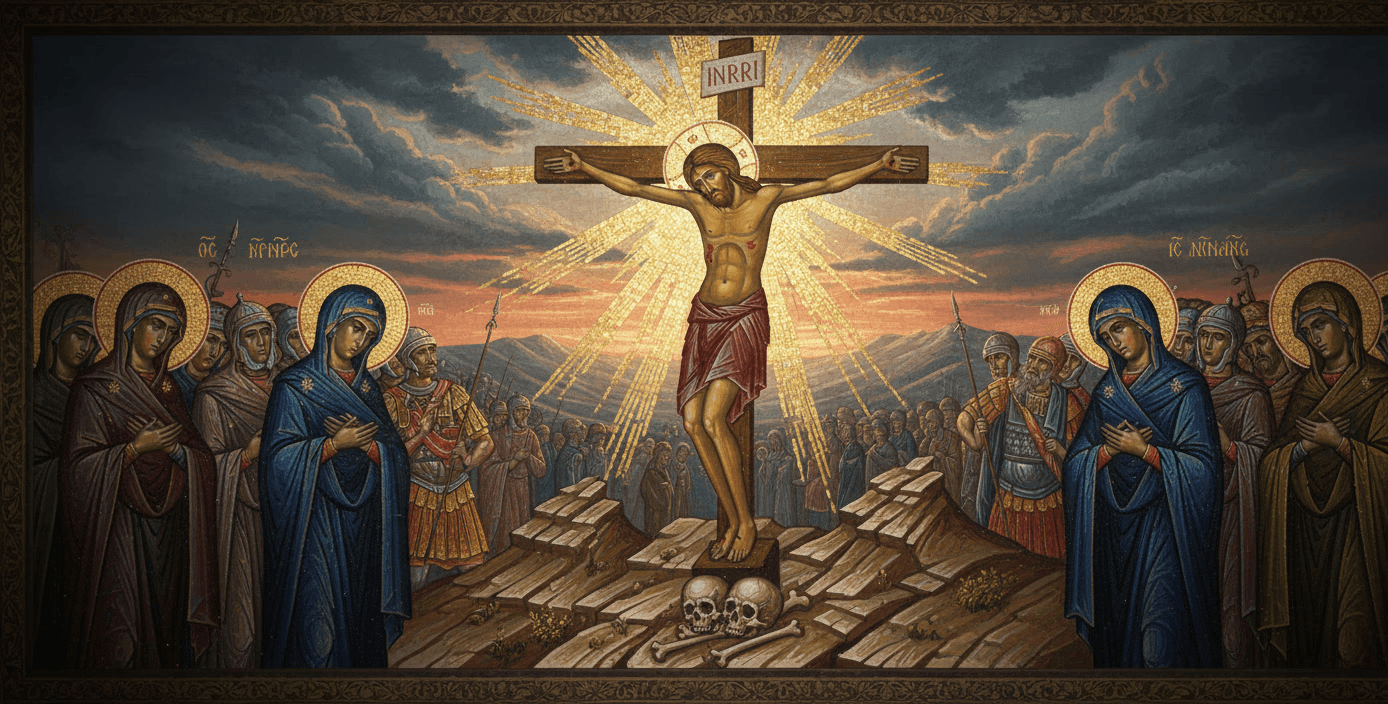
Matthew 26:65 (NKJV): at Jesus's trial, the high priest tears his clothes and says, "He has spoken blasphemy! What further need do we have of witnesses?" The specific claim that prompted this was Jesus affirming that He was the Son of God and that they would see the Son of Man sitting at the right hand of Power and coming on the clouds. The high priest regarded this as settled: a man claiming divine status and authority was guilty of blasphemy, and the penalty was death.
The irony the Gospels present is that the charge of blasphemy was itself, in this case, a response to truth rather than error. The one they condemned for blasphemy was the one from whom all genuine reverence of God flows.
Blasphemy in the Christian Life
The New Testament speaks of blasphemy not only in its most extreme forms but as a pattern of speech to be avoided by believers. Colossians 3:8 (NKJV) lists "blasphemy" alongside anger, wrath, malice, and filthy language as things to be "put off" — suggesting a broader application than just formal statements against God.
Romans 2:24 (NKJV) uses the concept for the effect of inconsistent Christian living on God's reputation: "The name of God is blasphemed among the Gentiles because of you." Paul is telling the Jewish Christians that their hypocrisy causes the nations to speak ill of God — an indirect form of blasphemy, produced not by words against God but by lives that contradict His character. The name of God is either honoured or dishonoured by how His people live. That is a form of blasphemy most people never consider.
The Seriousness Behind the Word
Blasphemy is treated with such seriousness in Scripture because God's character and honour are not abstract — they are the ground of all reality. To misrepresent God, to attribute evil to Him, to treat His name as an empty sound — these are not merely rude. They are a corruption of the most fundamental truth available to any person: who God actually is.
The inverse of blasphemy is reverence — a life and speech that represent God accurately and treat His name as the weight-bearing word it is. Exodus 20:7 is not primarily a prohibition on profanity. It is a call to let God's name mean what it means — to speak of Him in ways that correspond to who He actually is. That is the standard. And it is considerably more demanding than simply not swearing.
FAQs
What is blasphemy in the Bible?
Why was Jesus accused of blasphemy?
What is the difference between blasphemy and taking God's name in vain?
Is blasphemy still a sin today?
What is the blasphemy of the Holy Spirit?

Author
Shafraz Jeal
Shafraz Jeal is the founder of By Design Ministry, created to help people discover Jesus, understand the Bible, and grow in faith. After encountering Christ in 2016, his life was radically changed, and that journey continues to shape everything he shares.
You may also like these
Related Post