Who Is Jesus Christ?
Jesus Christ is a first-century Jewish teacher from Nazareth who Christians believe to be the Son of God, the second person of the Trinity, and the fulfilment of Old Testament prophecy. He was crucified under Pontius Pilate around 30-33 AD and, according to Christian belief and early historical testimony, rose from the dead on the third day.
Author | Shafraz Jeal
8
min read
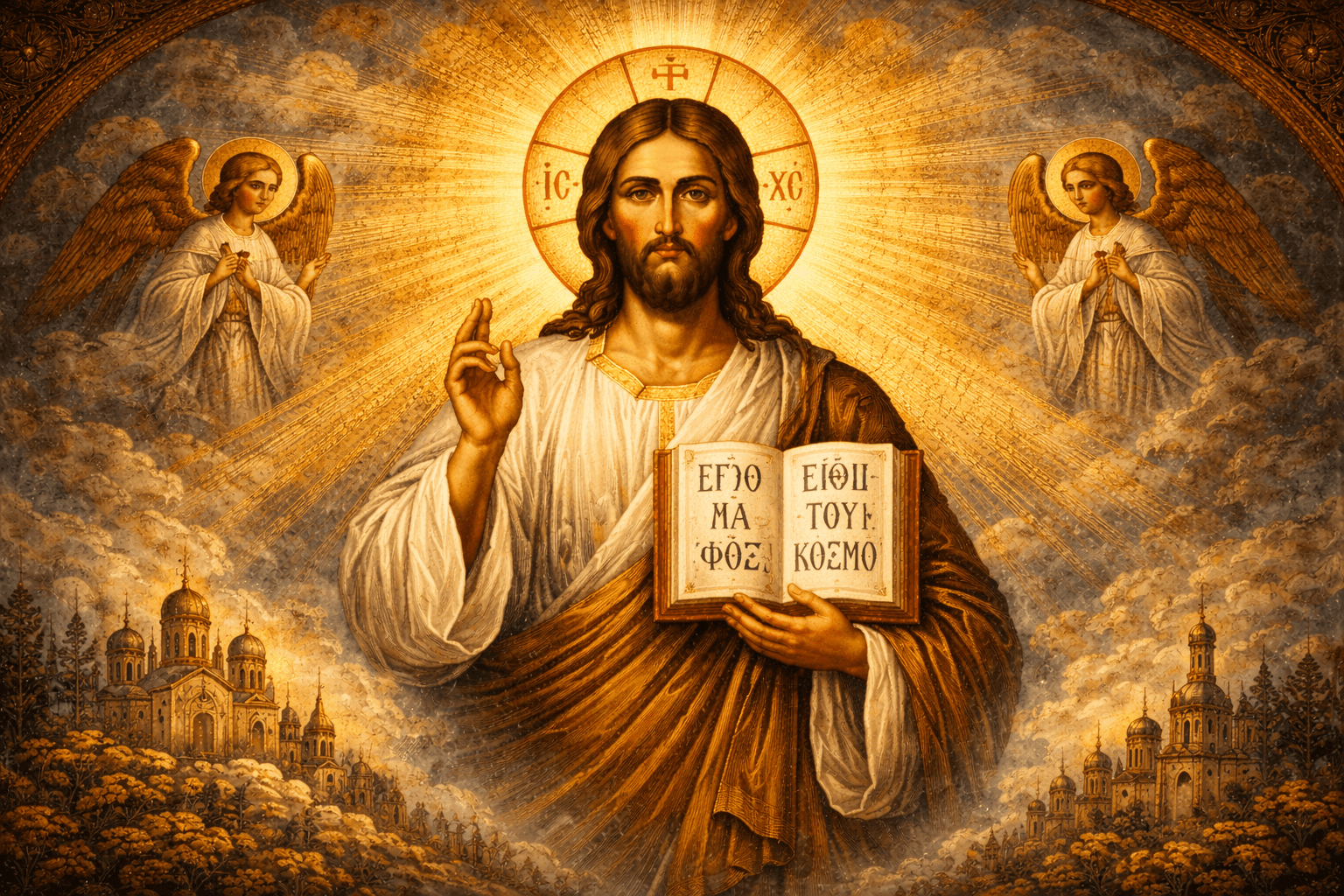
Jesus Christ is a first-century Jewish teacher from Nazareth who Christians believe to be the Son of God, the second person of the Trinity, and the fulfilment of Old Testament prophecy. He was crucified under Pontius Pilate around 30-33 AD and, according to Christian belief and early historical testimony, rose from the dead on the third day.
Jesus of Nazareth is the most written-about, debated, influential person in human history. More books have been written about Him than anyone else who ever lived. Two thousand years after His death, roughly a third of the world's population follows Him — and the other two-thirds have an opinion about Him.
So who actually is He?
Not the version filtered through stained glass and childhood nativity plays. Not the vague inspirational figure culture sometimes makes Him. The actual Jesus — what He said, what He claimed, what happened, and what it means.
The Historical Jesus: What We Know
First, the history — because this matters. Jesus' existence as a historical figure is not seriously disputed by historians. We have multiple independent sources: the four Gospels, Paul's letters (written within 20-25 years of the crucifixion), the Roman historian Tacitus, the Jewish historian Josephus, and others.
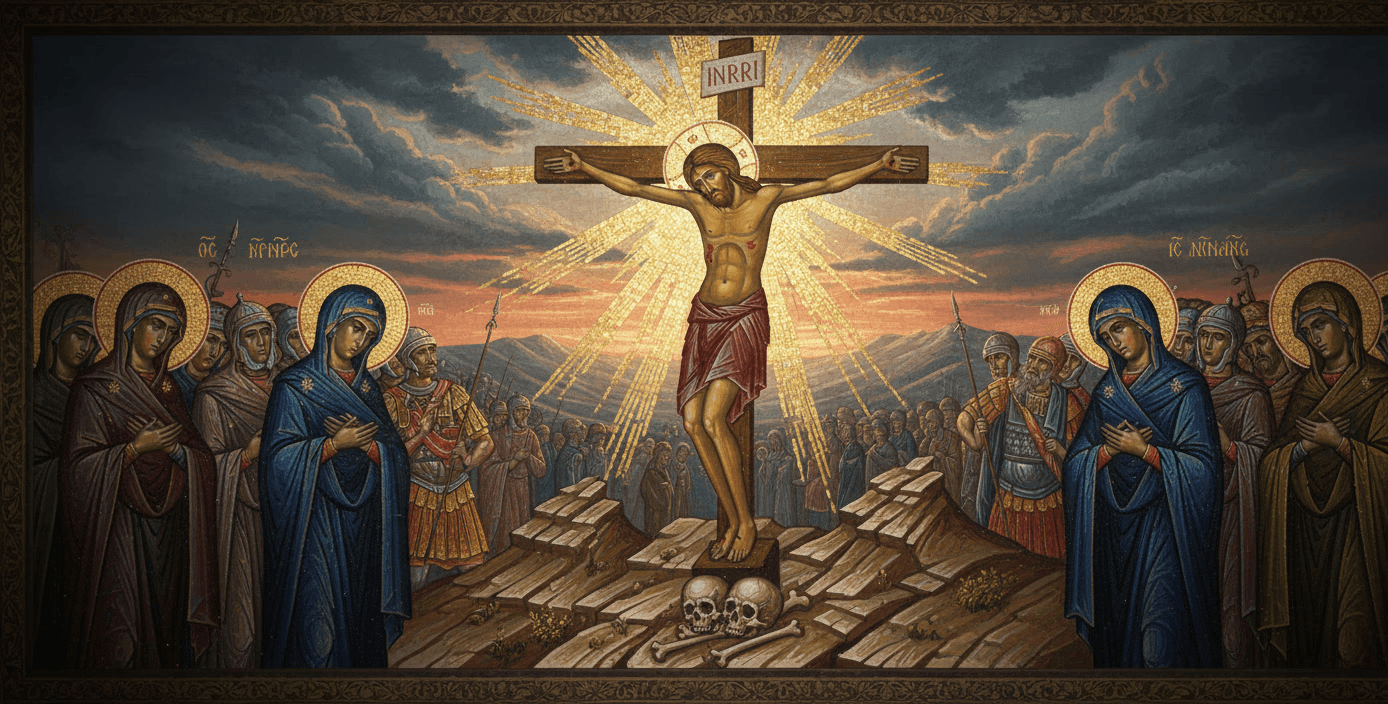
What we know historically: Jesus was a Jewish teacher in first-century Palestine. He gathered a significant following. He was crucified under Pontius Pilate, the Roman governor of Judea, around 30-33 AD. And within weeks of His death, His followers were publicly claiming He had risen from the dead — a claim they held to under persecution and execution.
That last fact is significant. People die for things they believe to be true. They don't die for things they know to be fabricated.
What Jesus Claimed About Himself
Here's where things get serious. Jesus didn't just teach good ethics. He made claims that, if false, are the most audacious lies in human history — and if true, change everything.
John 14:6 (NKJV): "I am the way, the truth, and the life. No one comes to the Father except through Me."
John 10:30 (NKJV): "I and the Father are one."
John 8:58 (NKJV): "Before Abraham was, I AM." — using the divine name God gave Himself in Exodus 3:14. The Jewish leaders present understood exactly what He was claiming and picked up stones.
C.S. Lewis' famous argument still stands: someone who makes these claims is either lying, deluded, or telling the truth. "A great moral teacher" isn't a coherent category for someone who says what Jesus said.
What the Bible Teaches About Who Jesus Is
The New Testament is remarkably consistent on this across multiple authors writing independently:
Fully God. John 1:1 (NKJV): "In the beginning was the Word, and the Word was with God, and the Word was God." Colossians 1:15-16 says He is the image of the invisible God, and all things were created through Him and for Him.
Fully human. John 1:14: "And the Word became flesh and dwelt among us." Hebrews 4:15 says He was tempted in every way we are — and yet without sin. He wept (John 11:35). He got tired (John 4:6). He felt the full weight of what it is to be human.
The fulfilment of centuries of prophecy. Isaiah 53, written 700 years before the crucifixion, describes the death of a servant of God in terms that align precisely with what happened to Jesus. This is not a coincidence that's easy to explain away.
Risen from the dead. 1 Corinthians 15:3-8 gives the earliest creed we have, listing eyewitness appearances of the risen Jesus — including to over 500 people at once. Paul wrote this within 20-25 years of the event, when many of those witnesses were still alive and could be questioned.
Why It Matters — Now, Not Just Theologically
This isn't just a doctrinal exercise. Who Jesus is determines what happened on the cross — and what's available to you because of it.
If Jesus is just a good man, then His death is a tragedy and an inspiration, nothing more. But if He is who He claimed to be — God in human flesh — then the cross is the most significant event in history. God taking on the full weight of human sin and failure, and dealing with it, so that the relationship between God and people could be restored.
Colossians 1:19-20 (NKJV): "For it pleased the Father that in Him all the fullness should dwell, and by Him to reconcile all things to Himself, by Him, whether things on earth or things in heaven, having made peace through the blood of His cross."
Reconciliation. That's the word. The gap that our choices created between us and God — Jesus crossed it. Not as a good example to follow. As the only one who could.
Philippians 2:9-11 says that because of what Jesus did, God exalted Him to the highest place, and one day every knee will bow and every tongue confess that Jesus Christ is Lord. That's not a threat — it's a statement about ultimate reality.
So Who Is He to You?
Jesus asked His disciples the same question directly: "Who do you say I am?" (Matthew 16:15). It's the question He's still asking.
The evidence for who He is — historical, biblical, and in the lives of people across every culture and century who have encountered Him — is substantial. But ultimately, knowing who Jesus is isn't just an intellectual conclusion. It's a personal encounter.
If you want to know more about what it means to follow Him, visit our Get To Know Jesus page. And if you have questions you want to bring to God, you can submit a prayer request and we'll pray with you.
FAQs
Was Jesus a real historical person?
Did Jesus claim to be God?
What is the difference between Jesus and God?
Did Jesus actually rise from the dead?
What did Jesus teach?

Author
Shafraz Jeal
Shafraz Jeal is the founder of By Design Ministry, created to help people discover Jesus, understand the Bible, and grow in faith. After encountering Christ in 2016, his life was radically changed, and that journey continues to shape everything he shares.
You may also like these
Related Post